Blog · Blogs
Effects of noise on children and mitigation measures
A new study from Spain found that children who live in noisy places, such as big cities or industrial zones, have slower cognitive development and have more difficulty remembering lessons than children in rural areas.
How noise affects children:
Causes deafness if affected too much:
For children, their hearing ability is still quite weak, so noises that are not very loud have a more negative impact on their health than adults.
Noise with an intensity above 115 dB is considered dangerous for children because it can cause deafness and hearing loss even if exposed for only 3 to 15 minutes. You can encounter this type of noise in large discotheques, near high-power electronic music speakers, truck horns, bells, gongs...
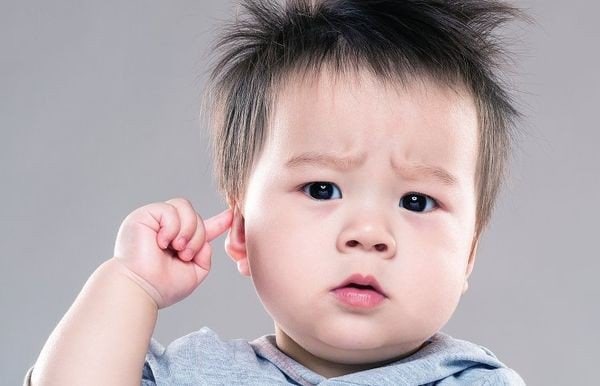
How does noise affect children?
Sound with an intensity of about 100 dB will cause obvious harm after a period of exposure (depending on age). This noise can be found in train stations, bustling shopping streets, radio noise, and home music playing at high levels.
In children, noise with an intensity above 80 dB is harmful because it causes poor sleep, disrupts respiratory and digestive activities, and affects thinking and learning. If children have to live regularly in such a noisy place, they will have poor hearing.
External stimuli such as noise can influence the cognitive development that occurs before adolescence:
Researchers from the Barcelona Institute for Global Health (Spain) studied 2,680 children aged 7 - 10 years studying at 38 schools in Barcelona, including urban and rural schools.
They found that children in schools with higher traffic noise, specifically in big cities, had slower cognitive development than the other group.
Expert Jordi Sunyer, a member of the research team, said: "Our study further confirms the hypothesis that childhood is the most vulnerable period to a person's brain, in which external stimuli such as noise can affect the cognitive development process that takes place before adolescence."

Specifically in this study, Jordi Sunyer's team evaluated children's concentration and memory, both while studying and playing. Over a 12-month period, the children took four cognitive tests. Noise measurements were also collected during this time.
The results of the analysis showed that memory and concentration development were slower in students attending schools with higher levels of traffic noise.
For example, an increase in outdoor noise levels of 5 decibels above average results in memory being 11.5% slower than average and concentration when doing difficult exercises reduced by up to 23.5%.
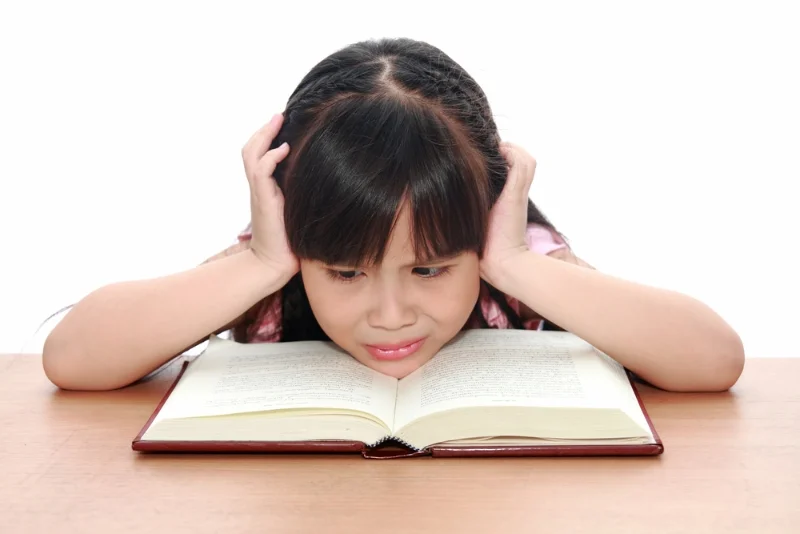
Noise from the classroom affects children's concentration:
In particular, the researchers noted that children in schools exposed to outside noise such as traffic, streets, industrial parks, or school playgrounds performed worse on all tests. Noise from the classroom only affects children's concentration and does not affect their learning memory.
Noise pollution causes obesity in children:
Current "noise safety" regulations in many countries are only based on average decibel levels (60 decibels for normal conversation, 70 decibels for supermarket and traffic noise), but this study shows that the characteristics of noise also have a certain impact on children's brains. Regular exposure to loud noise inside the classroom can also cause neurological developmental disorders in students.
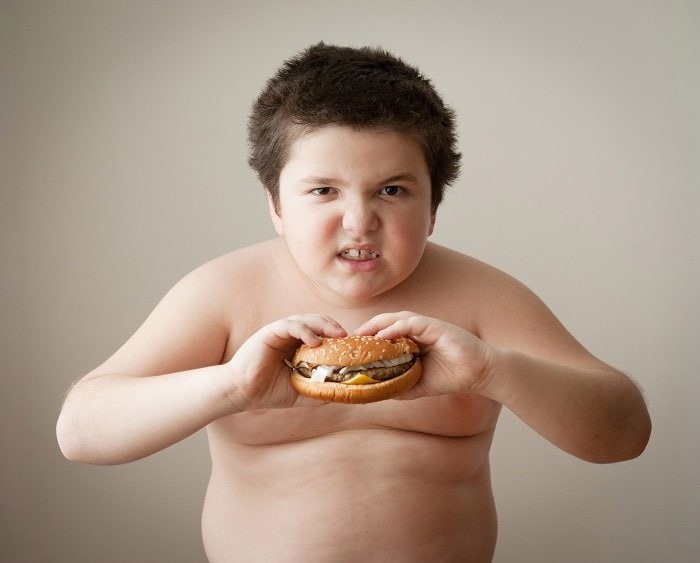
In another study by the Barcelona Institute for Global Health and Jordi Gol University (Spain), noise not only affects brain development but also puts children at high risk of obesity.
Researchers claim children living in areas with high levels of noise pollution are more likely to be obese.
A study of 2,000 children in Sabadell (Spain) discovered that environmental factors such as air pollution, noise and high traffic density were the main impacts on the weight of children aged 9-12 years.
The researchers hope their findings will spur further research into road traffic and its effects on children's cognitive development. At the same time, it will be a document for construction planners in countries to research and place schools in low-noise locations to partly support brain development, avoiding affecting children's learning, thinking and health status.
Which materials provide good sound insulation for children's development:
With such negative impacts on children, we are surely looking for a quiet space for our family. However, in a bustling urban environment, having a quiet space is extremely difficult and requires the support of sound insulation materials. With countless types of popular construction materials on the market with many different advantages and disadvantages, autoclaved aerated concrete with many advanced features is an outstanding choice.
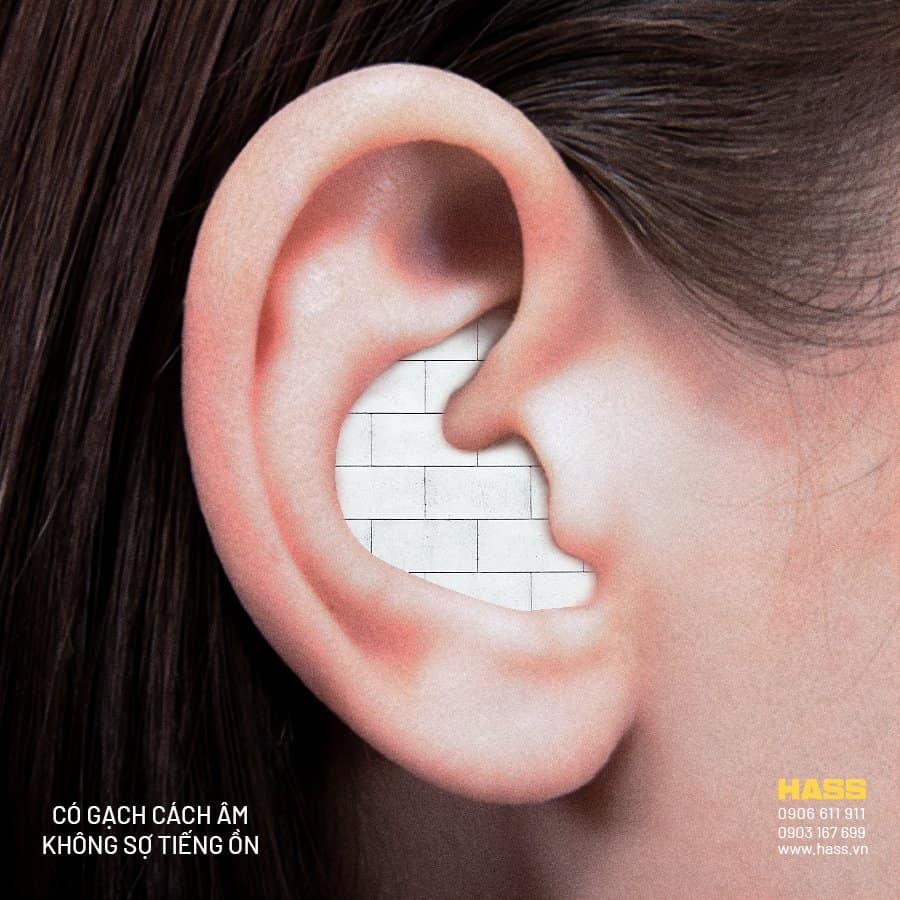
According to the specifications, autoclaved aerated concrete has a sound insulation coefficient of ~ 45 dB. This coefficient is many times higher than fired clay brick walls, which only have a sound insulation coefficient of about 28 decibels. This proves that the sound insulation effect of autoclaved aerated concrete panels is 2 times that of regular fired clay bricks.
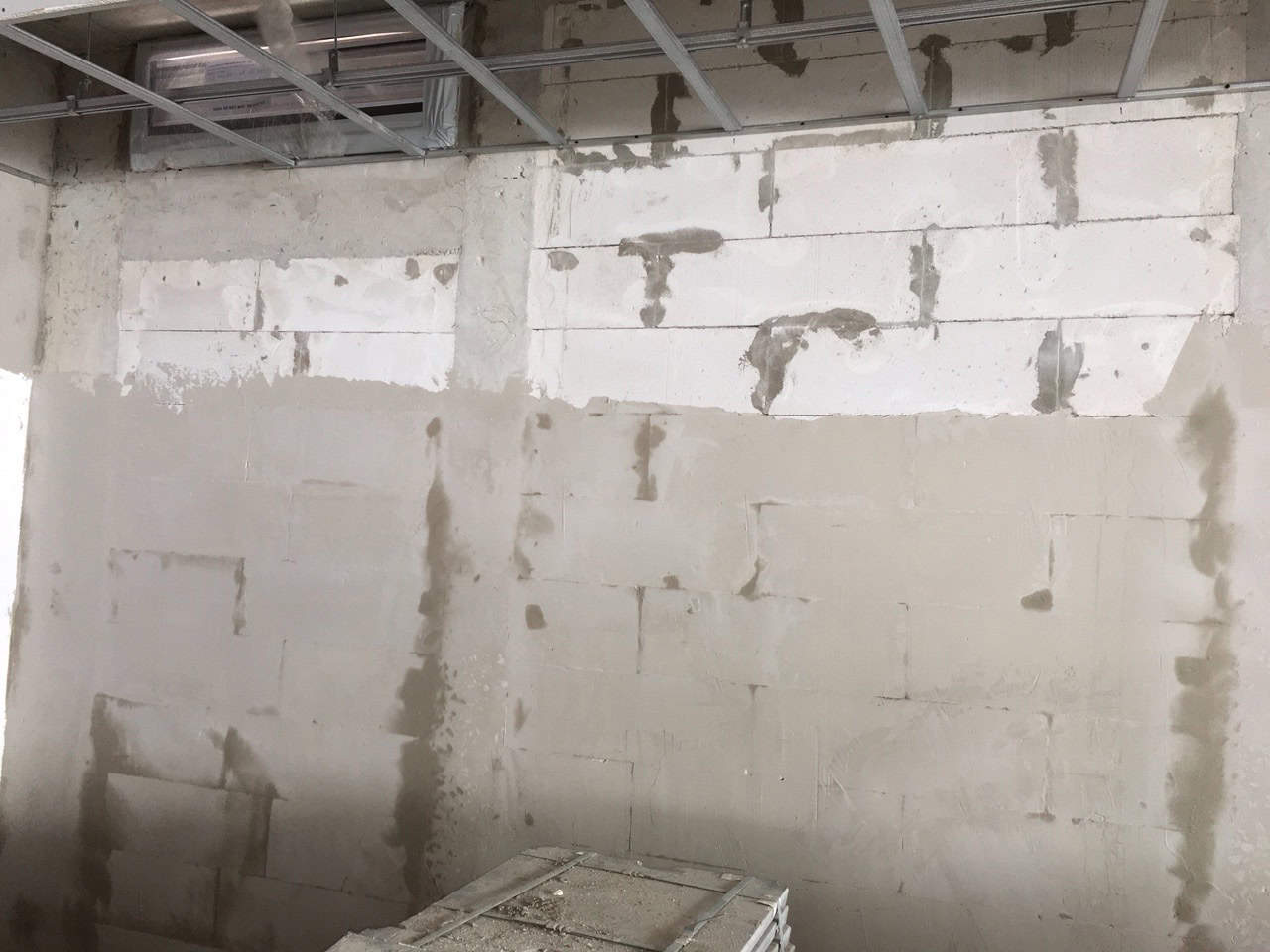
The nature of autoclaved aerated concrete is that it is composed of countless tiny pores inside. These voids are created during the autoclave distillation process. Forming a sturdy structure helps save weight many times over. When sound hits a brick, it has to pass through countless tiny holes, canceling out nearly all passing sound waves.
This is the essence of why lightweight concrete has such high sound insulation ability. Not only is it sound insulation, aerated concrete also has the effect of absorbing sound without echoing in the room. This will only create high sound insulation and will not create an echo in the room. Thereby improving sound quality and providing a quiet space for your family.
Need a quotation or technical advice?
Send a request and the HASS technical team will respond during business hours.