Blog · News
Fast and Safe Construction Solutions with AAC Autoclaved Aerated Concrete Blocks
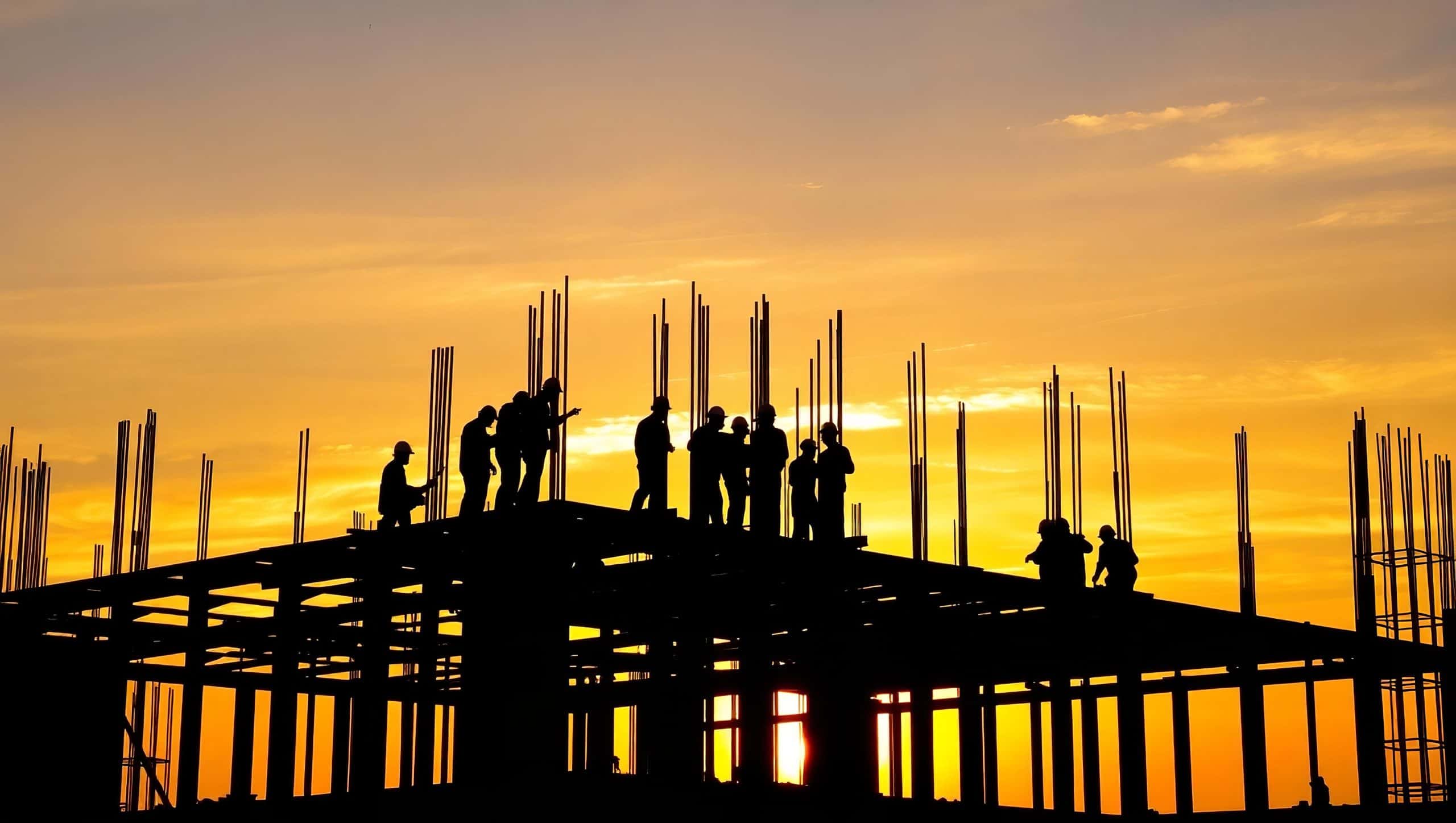
In the context of modern construction, construction progress and construction safety are two key factors that determine success. Autoclaved aerated concrete (AAC) bricks are considered the optimal solution when it both ensures quality, shortens construction time, is environmentally friendly and safe for users.
Outstanding characteristics of AAC blocks in construction
- Light weight: 2-3 times lighter than terracotta bricks, reducing load on foundations and column beams.
- Large size, small error: each AAC block has standard size, tolerance ±1.5 - ±5 mm, helping to construct accurately and quickly.
- Easy to cut and shape: simple tools can be used to cut and adjust the size of bricks, supporting flexibility in construction.
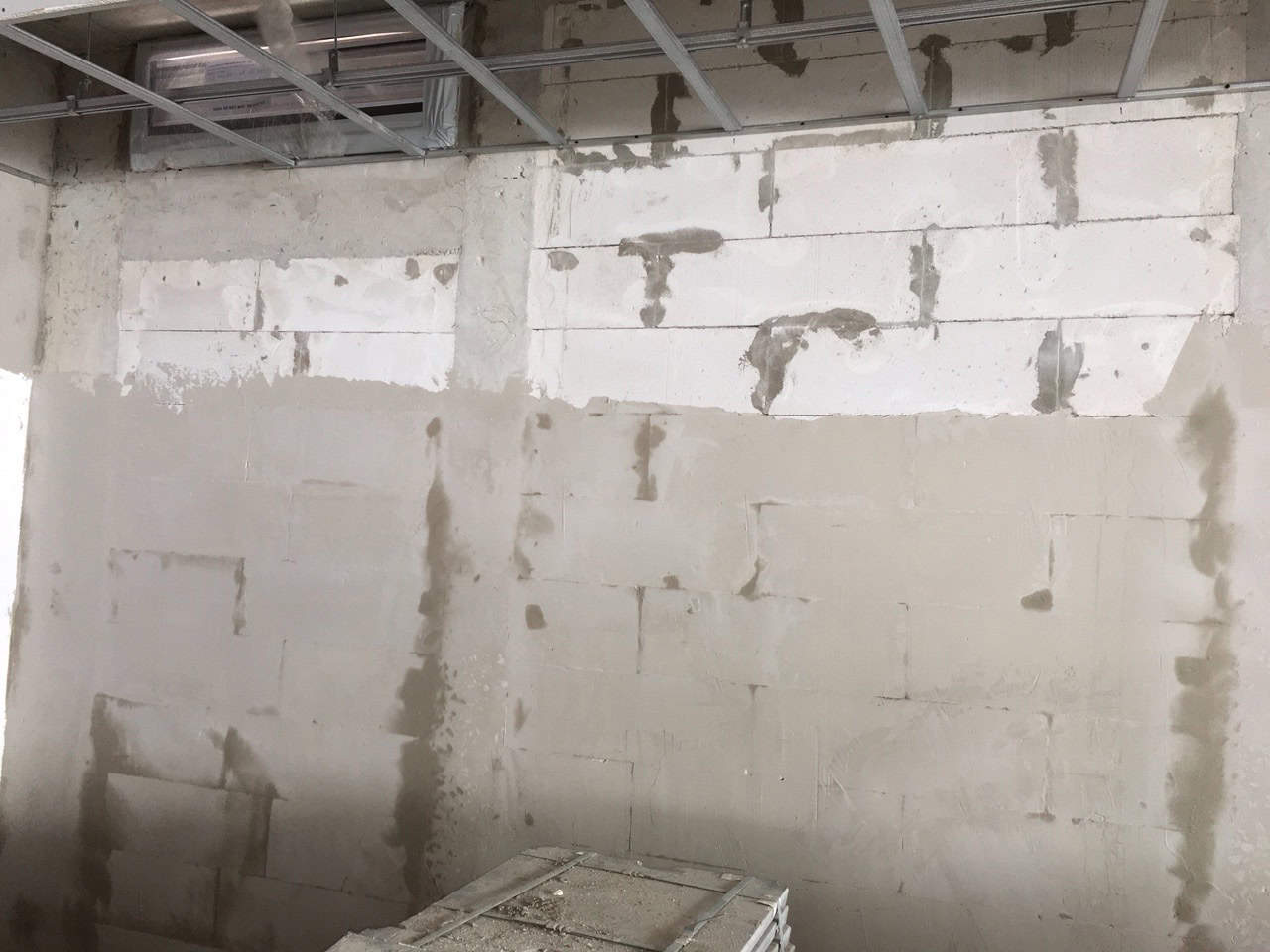
- Flat surface: reduces the need for thick plastering, saving finishing time.
Quick construction solution with AAC blocks
- Flat wall, reduced finish layer: thanks to small errors and standard surface, AAC walls after construction almost do not need a thick layer of plaster.
- Large brick size: AAC blocks are larger in size than traditional bricks, so the number of bricks per square meter of wall is less, helping to shorten construction time and increase construction efficiency.
- Speed up the progress of large projects: with high-rise buildings, the transportation and installation of AAC tiles helps significantly shorten the progress.
- Flexible in design: easy to shape as required, convenient for both civil housing and industrial projects.
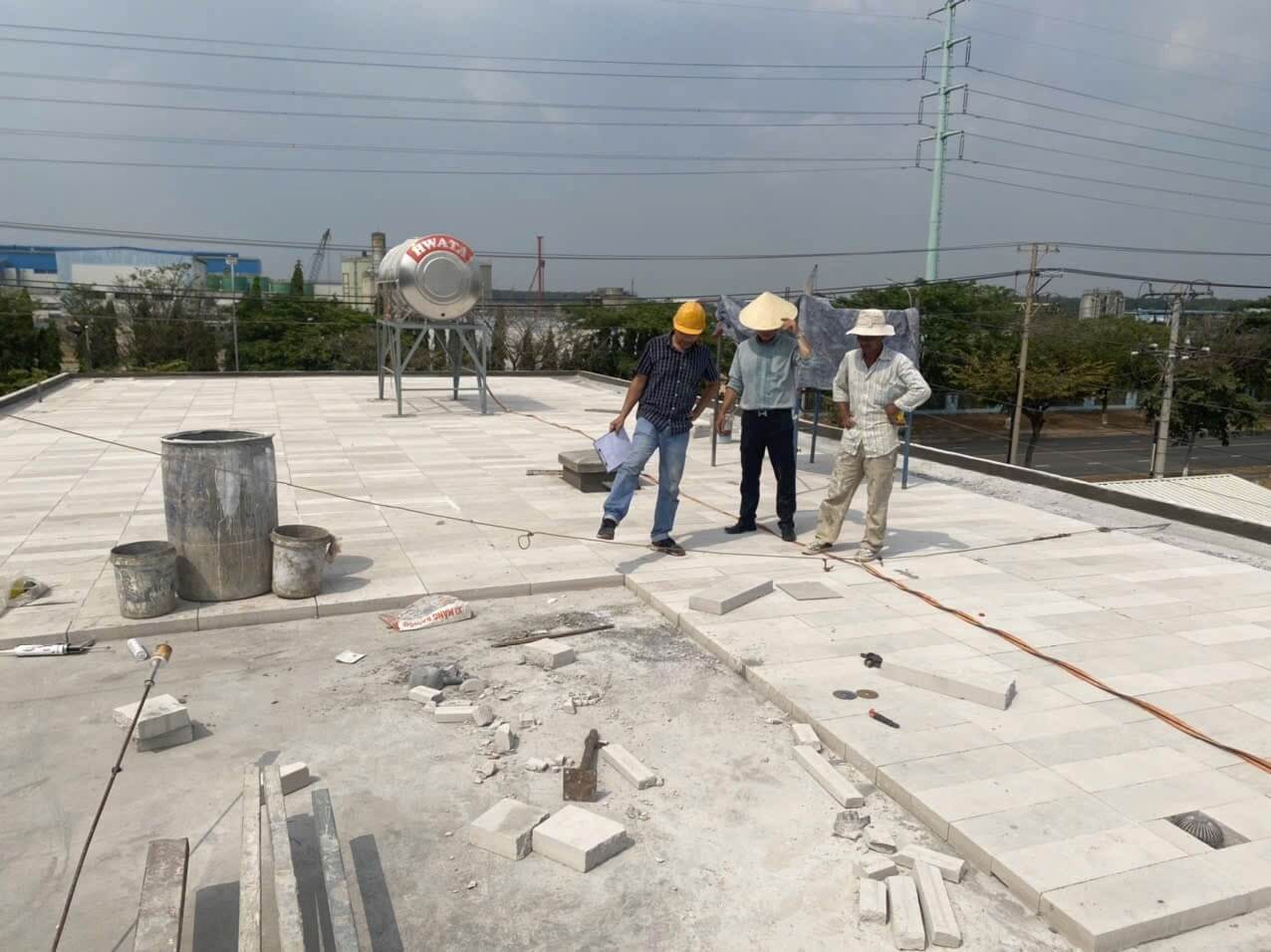
Safe when working with AAC blocks
- Fire resistance: AAC can withstand fire for at least 4 hours (EI240), does not produce toxic gases, ensures fire safety.
- Soundproofing - thermal insulation: reduces noise, limits heat transfer, making living and working spaces comfortable and safe.
- High durability: compressive strength from 3.5 - 7.5 MPa, ensuring long-term stability and safety.
- Environmentally friendly: energy-saving production, reducing CO₂ emissions, contributing to green building construction.
Practical application
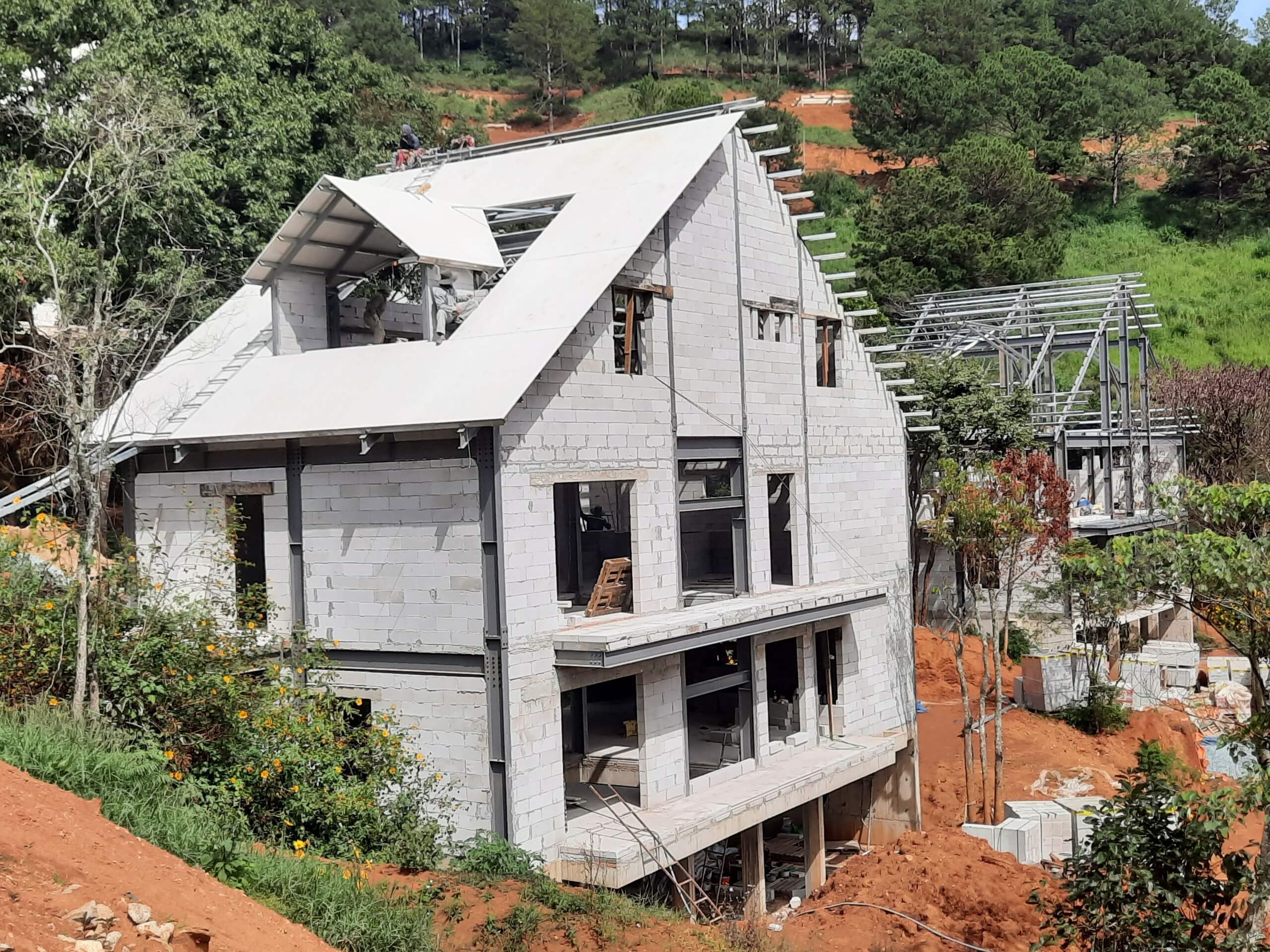
- Residential housing: build partitions and enclosing walls to help keep the space cool and reduce electricity costs.
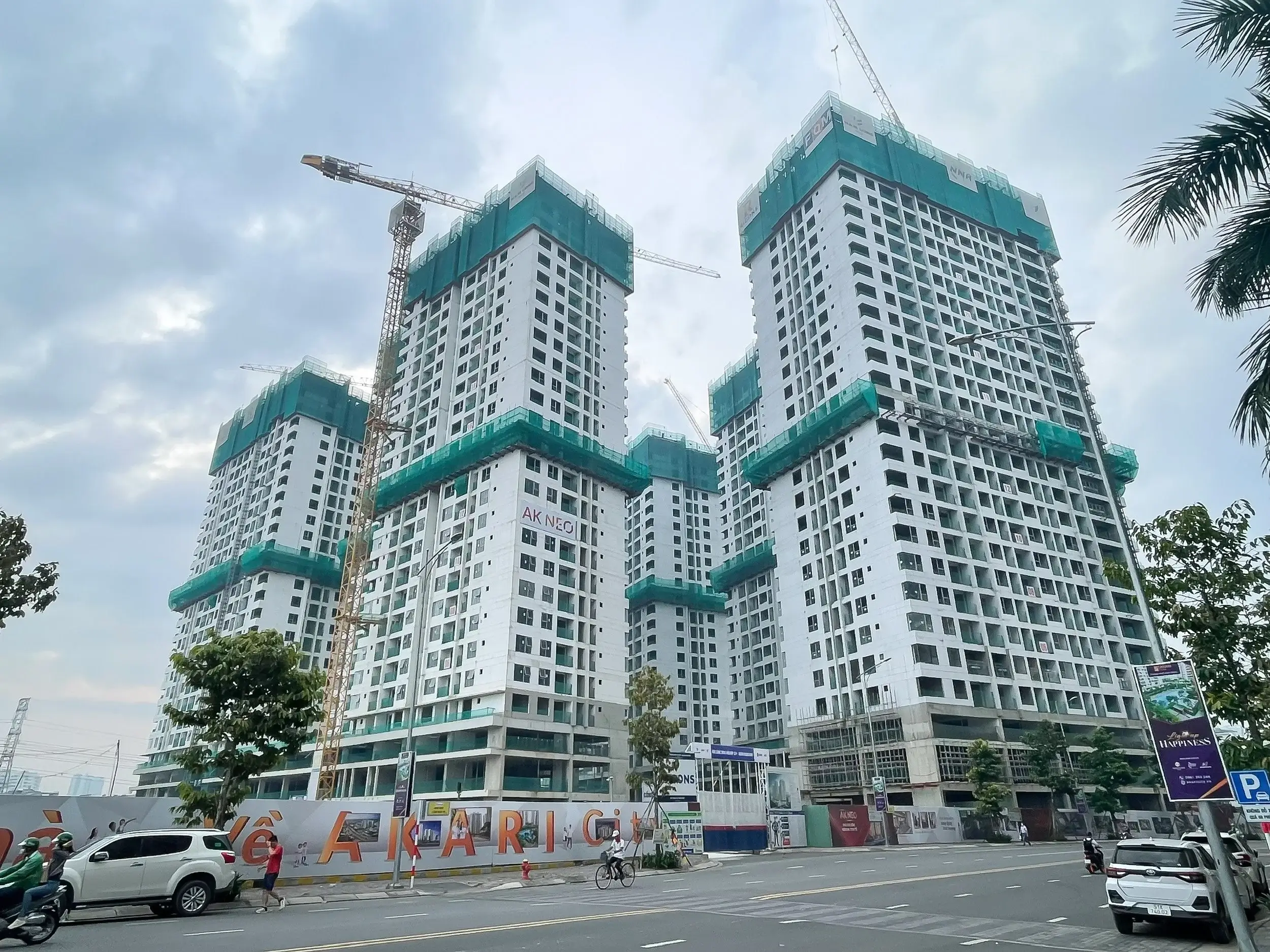
- Apartments and buildings: reduce construction load, fast construction, ensure fire safety.
- Schools, hospitals: high requirements for sound insulation, fire-resistanting, creating a safe learning and treatment environment.
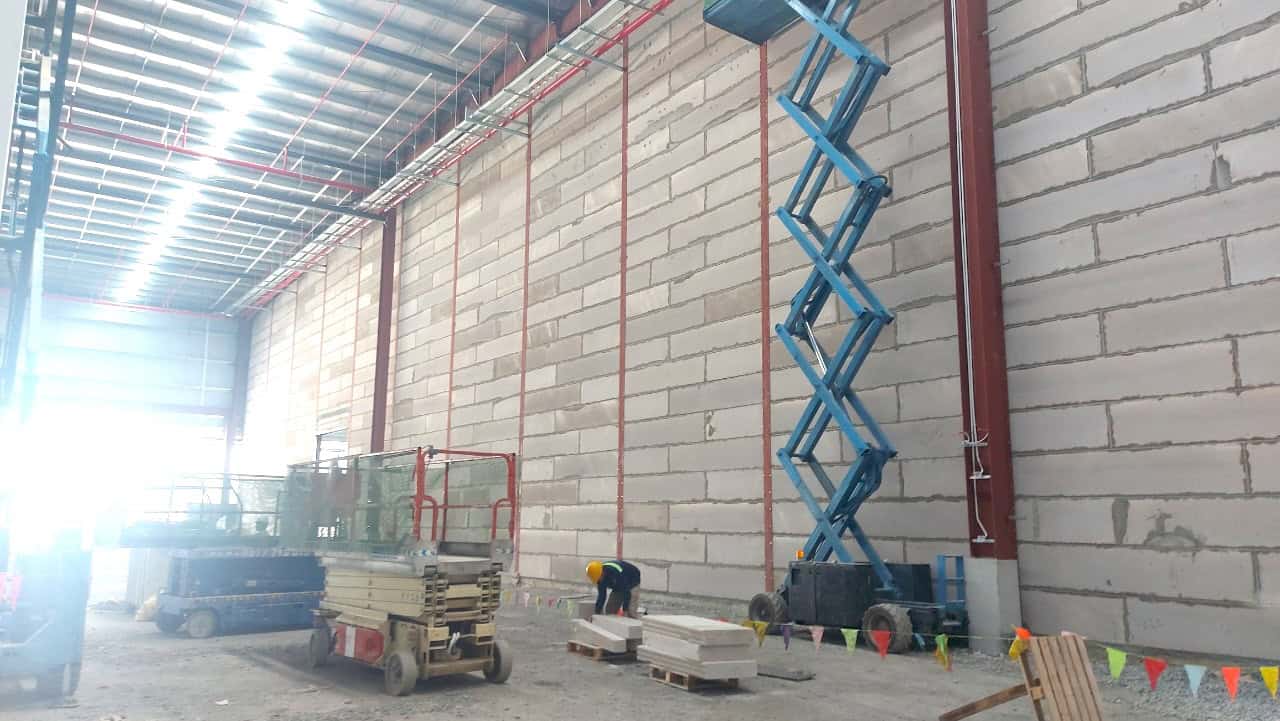
- Factories and industrial projects: save costs, increase construction efficiency and operational safety.
Need a quotation or technical advice?
Send a request and the HASS technical team will respond during business hours.