Heat Reduction for West and Southwest-Facing Houses
Why are houses facing West - Southwest the hottest?
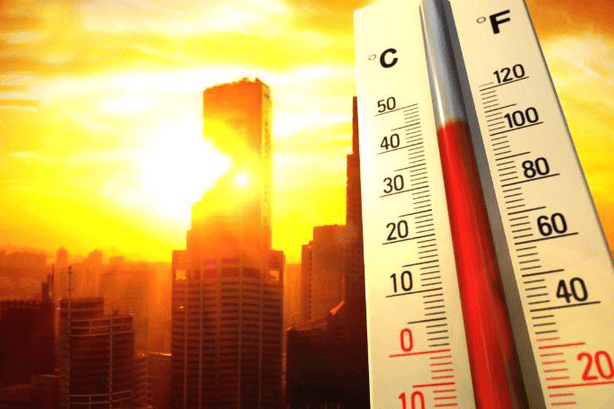
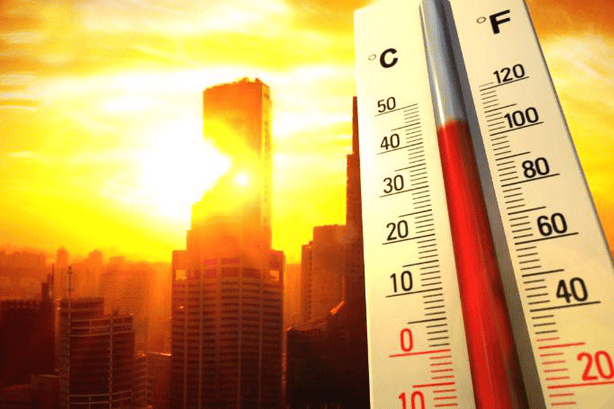
In southern Vietnam, the climate is tropical and sunny, and the monsoon winds often blow from the South and Southeast. Therefore, houses facing the West or Southwest are exposed to intense sunlight from 12:00 noon to 5:00 p.m. - the time when outdoor temperatures are highest. Walls and roofs exposed to direct sunlight cause a large amount of heat to accumulate, making the interior space hot and uncomfortable, while also increasing electricity costs for air conditioning.
Compared to other directions:
- East direction: receive gentle morning sunlight.
- South - Southeast direction: cool breeze, considered the most ideal.
- North direction: less direct sunlight.
Therefore, houses facing West and Southwest are the "hot spots" in the South and need effective heat protection solutions right from the design stage.
Insulation material solutions
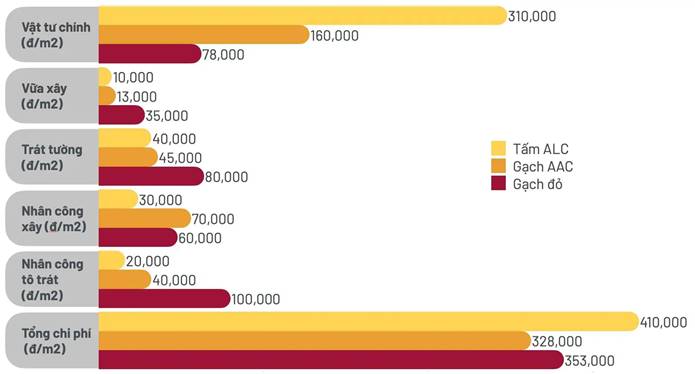
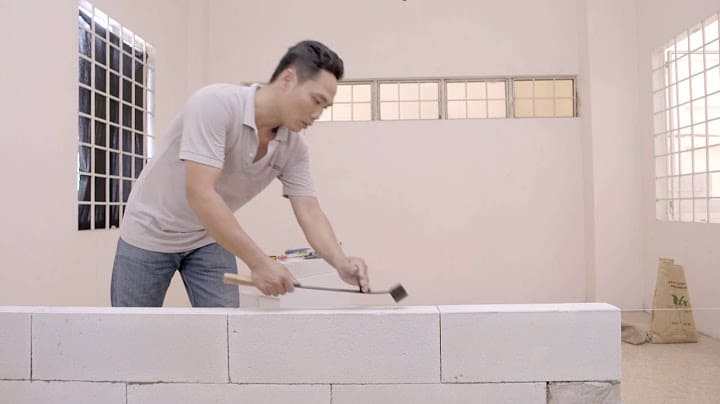
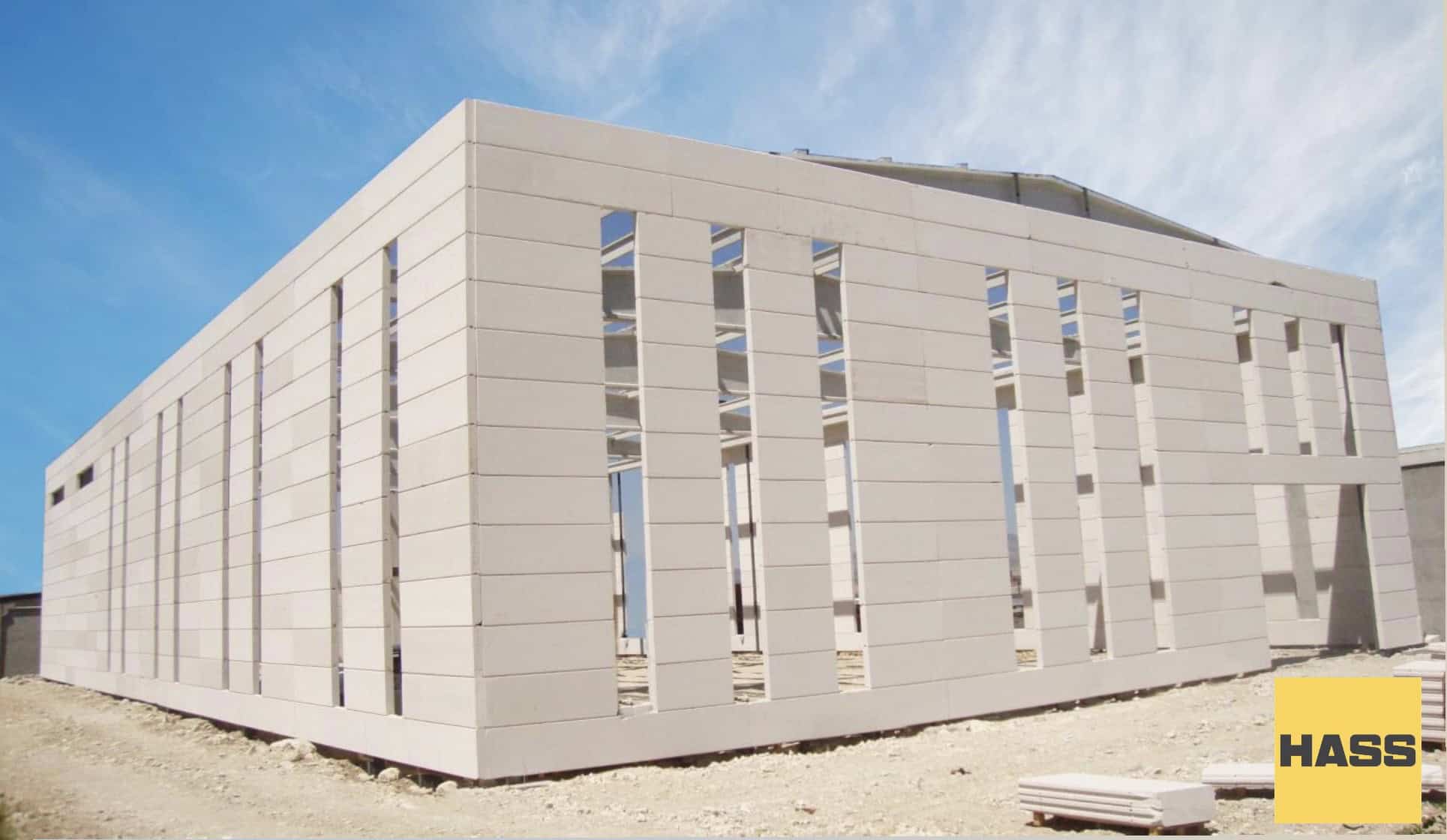
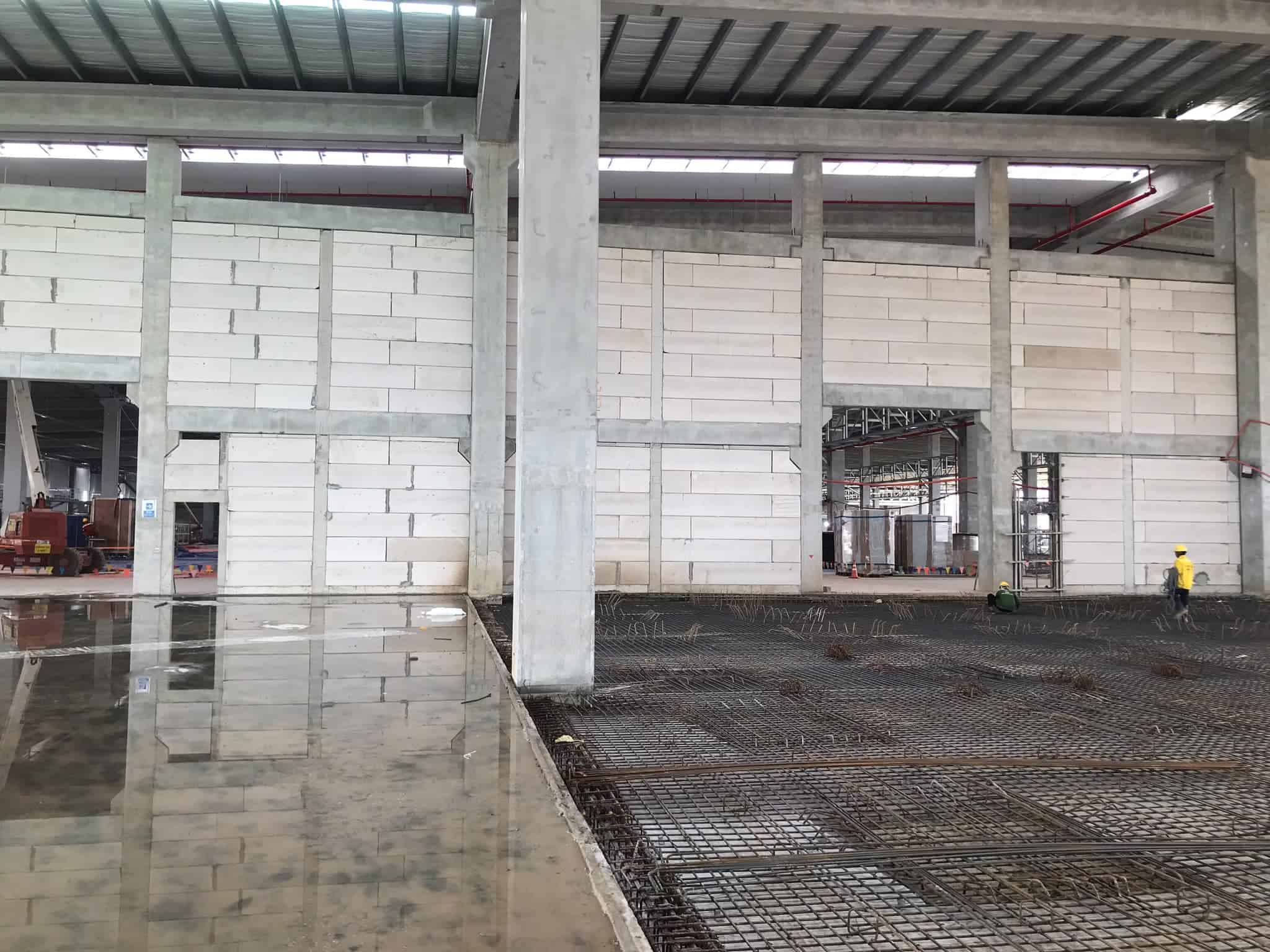
AAC blocks
- Low thermal conductivity (~0.11 – 0.16 W/m·K).
- Light weight, easy to construct, with both thermal and acoustic insulation.
- Helps house walls stay cooler, reducing load on the cooling system.
Insulation panels
- AAC panel, PU/EPS panel, mineral wool: often used for roofs and walls.
- Helps reduce direct heat transfer, effectively by 3–5°C.
Heat-resistant paint and mortar
- Reflective paint, roof and wall insulation paint: reflect sunlight, limit heat absorption.
- Heat-resistant mortar: creates an additional layer of thermal protection for exterior walls.
Ceiling and roof insulation
- Use PU, XPS, glass wool insulation panels under corrugated iron or concrete roofs.
- Combine heat-resistant plaster ceiling to prevent heat from transmitting to the living space.
Smart architectural design
Windows and glass
- Reduce the number of doors facing West - Southwest.
- Use Low-E glass, reflective glass, or double-glazed glass to block heat radiation.
- Combine heat-insulating curtains and heat-insulating films.
Sunshades and awnings
- Vertical and horizontal louvers both create aesthetics and effectively block the sun.
- The deep balcony and long eaves help shade the walls in the afternoon.
Natural ventilation
- Arrange the door to receive the South - Southeast wind.
- Creates cross air circulation for quick heat dissipation.
- Design skylights or ventilation slots to reduce heat accumulation.
Green solution - natural cooling
Green trees on the facade
- Rows of trees or trellises help block the sun and create shade.
- Reduce air temperature around the house, increase natural humidity.
Green roof, green terrace
- Plant grass, shrubs or install a green roof system.
- Reduces heat absorption, while increasing the aesthetics of the project.
Vertical wall garden
- Walls covered with plants help reduce direct radiant heat.
- Increases thermal insulation efficiency for exterior walls.
Complementary solutions
- Heat-insulating curtains and sun-blocking screens for rooms facing West.
- Heat-resistant paint for corrugated iron roofs: helps reduce the temperature below by 3–5°C.
- Misting system, outdoor fan: quickly reduces heat for yards, balconies, and porches.
Compare effectiveness and costs
| Solution | Effective heat reduction | Investment costs | Durability | Easy to construct |
|---|---|---|---|---|
| AAC blocks | 5–7°C | Medium | High | |
| Heat resistant paint | 2–3°C | Short | 3–5 years | Easy |
| Thermal insulation panels (PU/EPS, Panel) | 4–6°C | Medium | High | Medium |
| Green trees, green roof | 3–5°C | |||
| Curtains, heat-insulating films | 2–3°C | Short | 5–7 years | Easy |
Combine multiple solutions to achieve optimal efficiency
To prevent heat well for houses facing West - Southwest, it is necessary to apply synchronously:
- AAC wall + heat-resistant paint.
- Insulated roof + sun shield.
- Green trees on the facade + natural ventilation.
The result: the space is 5–7°C cooler, saving 20–30% of electricity, while enhancing the aesthetic value and sustainability of the building.
Need a quotation or technical consultation?
Send your request and the HASS technical team will respond during business hours.