Blog · Blogs
Common Causes of Wall Cracks and Effective Prevention Methods
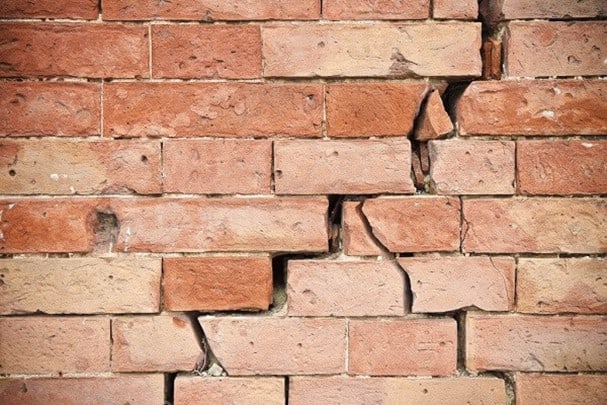
The causes of wall cracks are common in Vietnam because contractors often choose to build walls and partitions made of traditional fired clay bricks. Although this method is quite popular and has its own advantages, it still has many shortcomings, the most typical of which we can see is the phenomenon of "wall cracking due to shrinkage" after completing the project.
What causes that crack? What materials can replace traditional fired clay bricks during construction to minimize unexpected cracks?... Let's find out with HASS by reading the information below!
1. Causes profound Causes wall cracks:
Most developers and project managers have encountered the problem of cracked walls. Depending on the causes, we will have different solutions. Besides, during the construction process, the causes of wall cracking depend more or less on construction materials, climate and working methods (including labor skills, expansion and demolition of structures in the area). In this article, HASS mentions the most common causes of wall cracks today.
1.1 Chemical reaction:
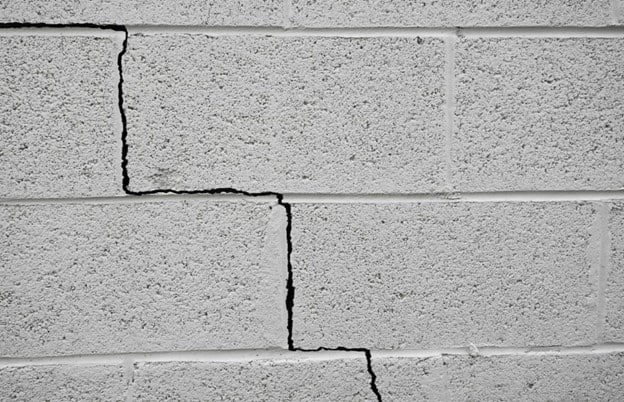
Chemical reactions can cause small cracks in walls, columns and wet areas inside and out. These phenomena occur because the amount of water used to mix with the plaster is less than usual, so heat cannot escape. When the plaster dries, a chemical reaction will occur that causes high temperatures, leading to some cracks on the plastered wall. These cracks do not affect the durability but can reduce the aesthetics of the building.
If the cracks are not deep, they can be repaired by using skimcoat to bond the joints and painting again. This type of cracking can result from hot climates that cause water to evaporate more slowly than the chemical reaction in the plaster, causing common cracks.
1.2. The connection of plastered walls with other materials:
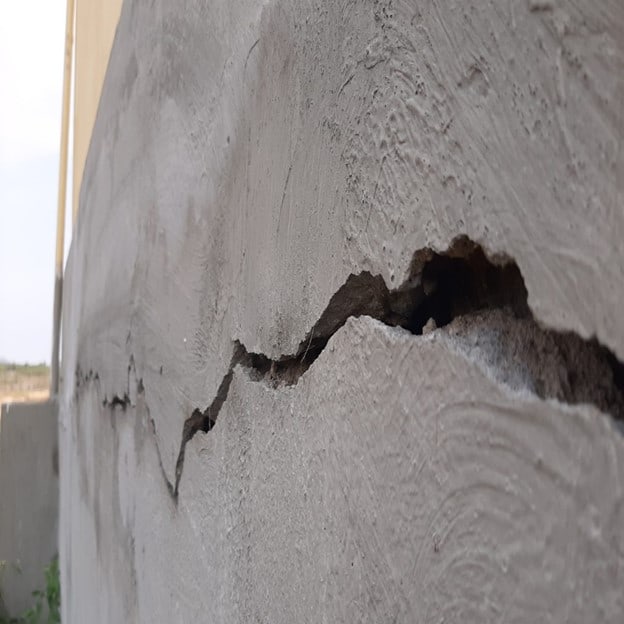
The second cause of cracks is the expansion and contraction of different base materials. This happens because each material has a characteristic bond ratio and the outside wall of a building always has a higher temperature than the inside wall. It is the elasticity and shrinkage of the wall between the two sides that will cause wall cracking. These small cracks can originate from the window frame or door frame in horizontal, vertical and diagonal directions.
1.3. Unsuitable building structure:
"Inadequate building structure" is the last reason HASS mentioned. Although this crack does not occur often, in cases where it occurs due to foundations, piled beams or is affected by natural factors (natural disasters, land subsidence, etc.), the crack will go deep inside the wall, exposing bricks on both sides.
The fix requires specialized structural engineers to analyze and find the root cause because the crack will affect the load-bearing capacity and sometimes cause the entire building to collapse.
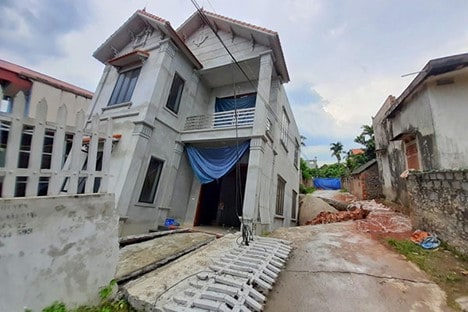
2. Solutions to prevent wall cracks:
To prevent wall cracks, we need to consider and carefully select materials to suit the project and apply measures to prevent wall cracks before they occur. Here are 3 ways to prevent wall cracks after construction that homeowners can refer to:
2.1. Survey the land before building:
Basically, limiting wall cracking needs to be studied very carefully. The worker must survey the construction site and the foundation must be carefully constructed to prevent subsidence. After researching, take appropriate preventive measures.

Survey the land before building
*2.2. **Ensure correct construction techniques**:*
First, workers need to ensure wall construction technical standards: very straight, mortar joints must be full and neatly smoothed. In addition, it is necessary to use the correct type of cement, sand and choose bricks.
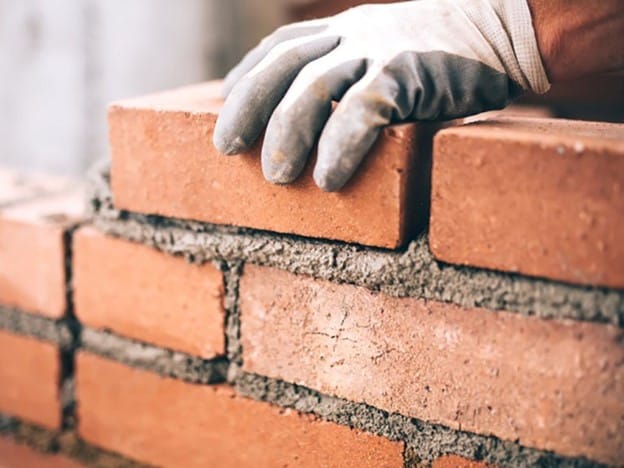
*2.3. **Use wall and column mesh**:** *
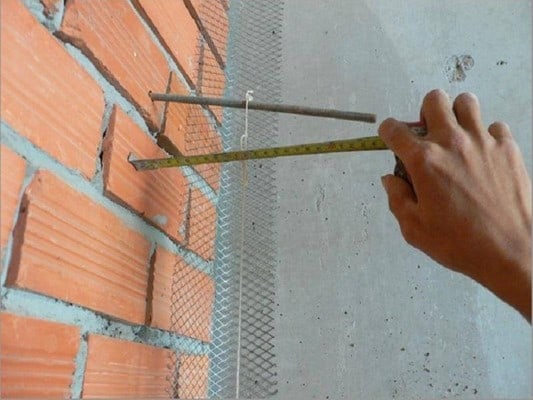
Among wall cracks, vertical cracks between concrete columns and brick walls are the most common. Because the adhesion between dried concrete columns and brick walls is often quite poor, especially when workers do not pay attention to this area.
The solution that homeowners can apply is to use steel mesh panels to connect concrete columns and walls. Thus, movement and expansion due to heat will be limited, and wall cracks will not occur.
*2.4. **Use a coating with a high elasticity coefficient**:** *
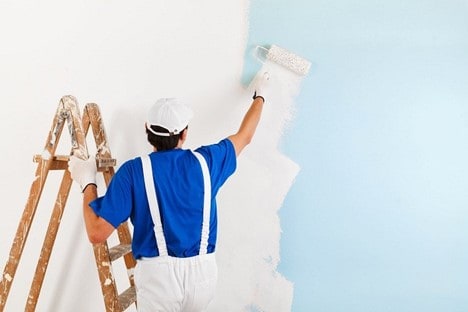
On the market today, homeowners can choose a surface coating with an elasticity coefficient of up to 300%. Paint can be used for interiors.
The outstanding advantage of this type of paint is that when the paint dries, you can stretch the paint to 3 times its original area without cracking or breaking. The paint has the ability to withstand harsh weather conditions, including long rainy seasons or intense sunlight, without the surface cracking. The biggest disadvantage of this type of paint is its relatively high price.
2.5. Choose *choose building materials** suitable construction:*
The best way to eliminate annoying wall cracks is to choose advanced construction materials to get the best construction quality.
So what material can replace traditional fired clay bricks during construction to minimize and minimize cracks to protect architectural quality and aesthetics? Let's continue comparing with HASS to have an overview and make the most suitable choice.
3. Comparison on each type of material:
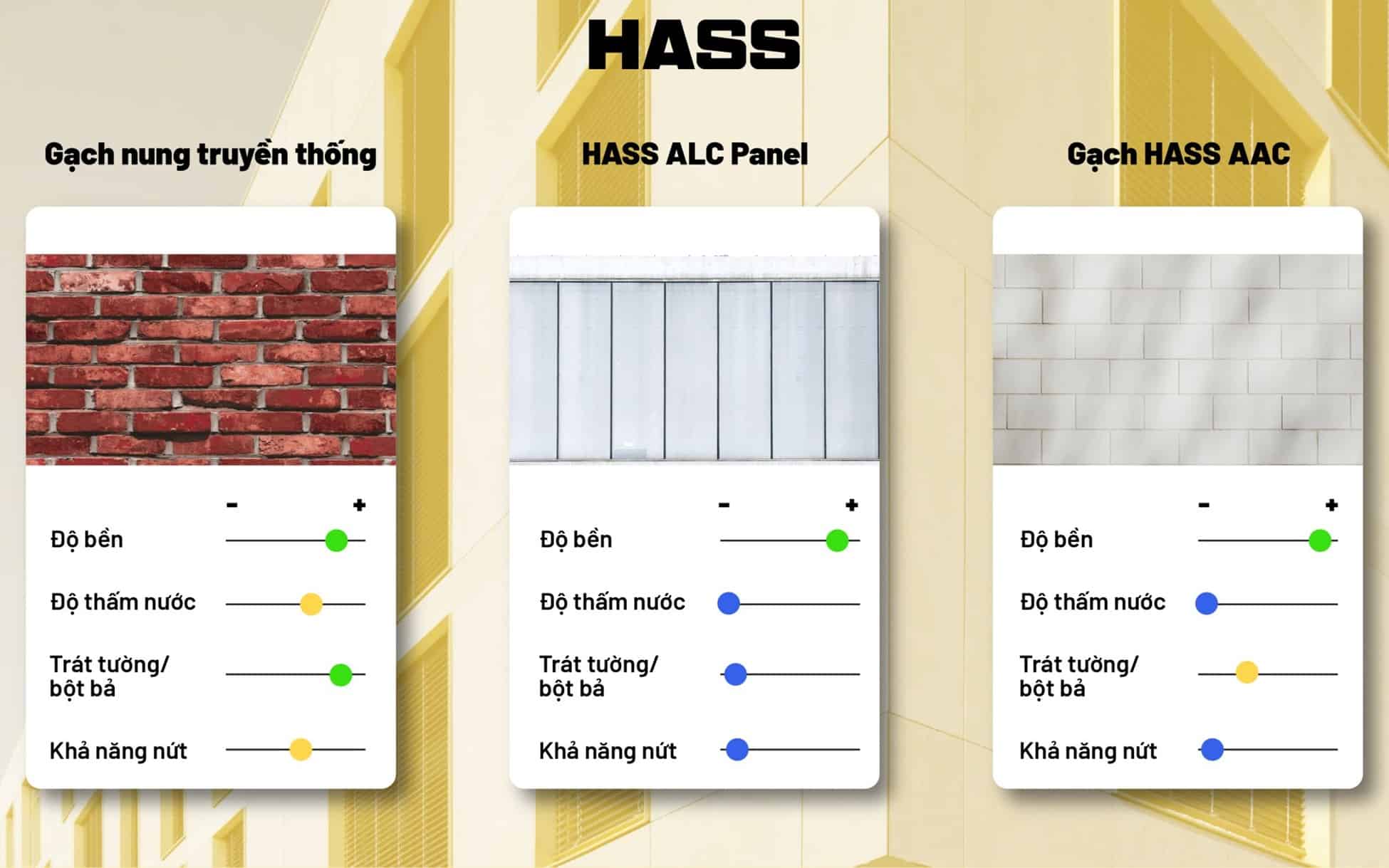
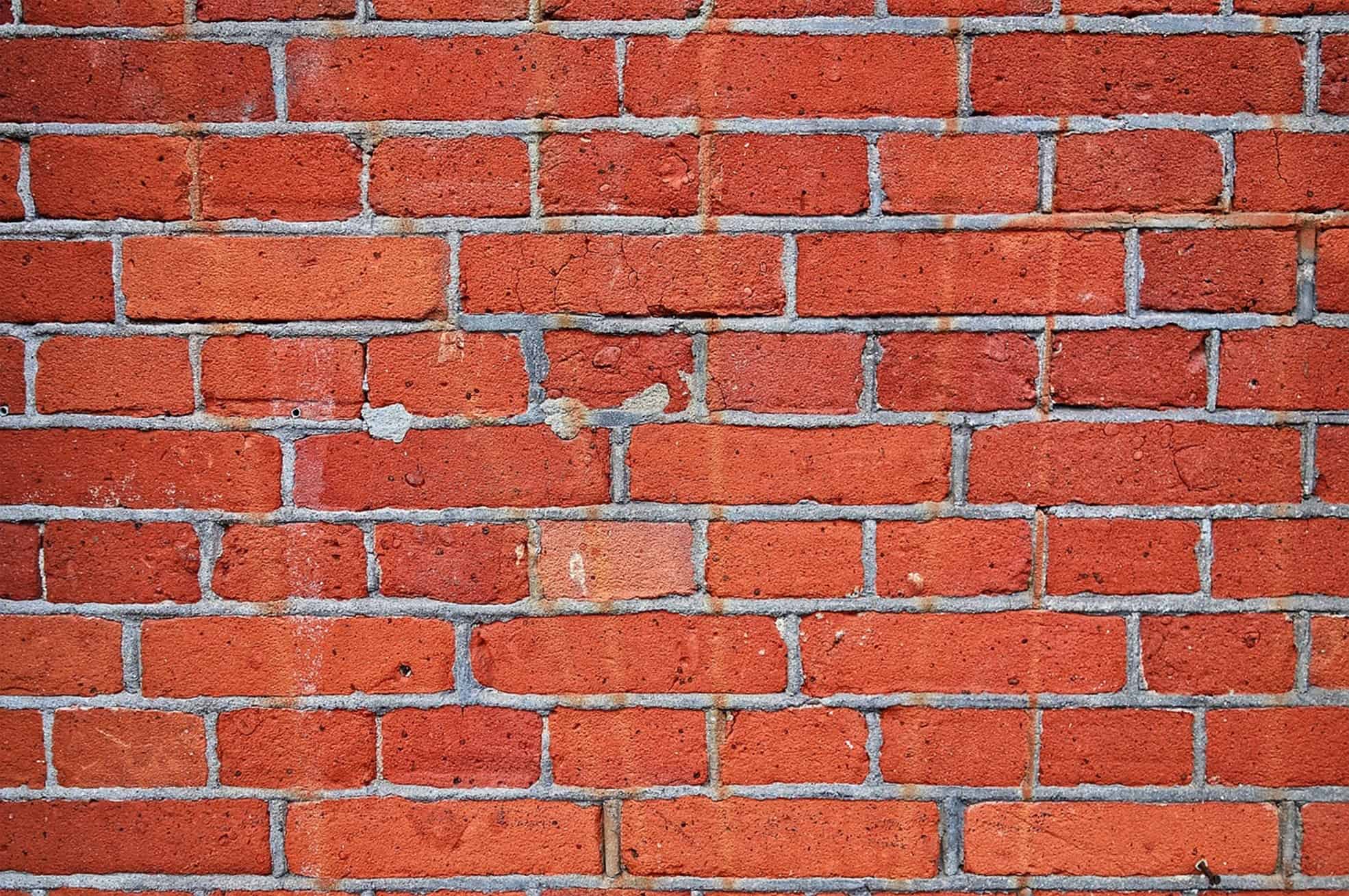
3.1. Traditional fired clay bricks:
Fired clay tunnel bricks are often highly susceptible to cracking and shrinkage because the volume of the brick is usually quite small. Therefore, the wall will have many connections between the bricks. This makes the water absorption rate of the wall very high.
To overcome this situation, the worker will make the plaster layer thicker, but it takes a lot of materials for each wall. Besides, the construction worker also needs to plaster the wall with mortar to create a moderate thickness to make the wall stand straight. During the implementation process, the heat transfer quality of the mortar is not good, sometimes leading to a higher possibility of wall cracking due to shrinkage.
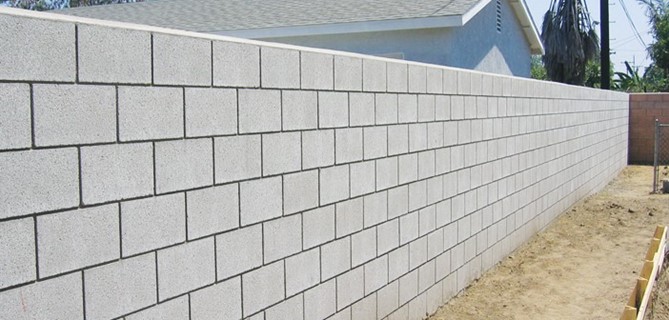
3.2. AAC blocks:
AAC blocks are made from lightweight concrete that has undergone an autoclaving process, so the possibility of cracking due to shrinkage is significantly reduced. AAC blocks have outstanding characteristics compared to conventional bricks in that they absorb less water from mortar and have significantly better thermal insulation than fired clay bricks by up to 7 times.
In addition, the size between AAC Block and clay bricks is also different. AAC blocks are larger in size than clay bricks, so for construction, the number of bricks is minimized, saving costs while reducing the number of joints, the wall also becomes stronger.
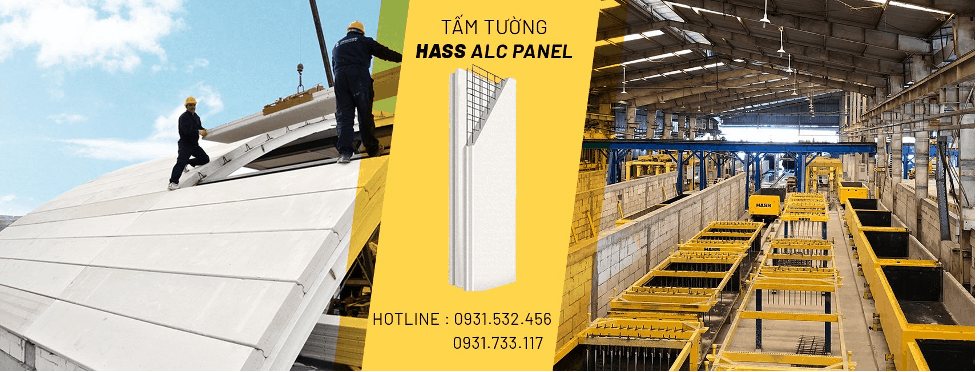
3.3. ALC HASS panel:
Having the same material as AAC blocks, ALC panel walls are larger in size and require fewer joints than a wall made of AAC blocks. Thanks to the few joints, walls built with ALC panels are sturdy and less likely to fall than usual. Plastering walls also becomes simpler and less expensive when the appropriate thickness is only 3-5 mm. Heat transfer will be good as the mortar sets, reducing the chance of wall cracking due to shrinkage. ALC HASS panel is a new generation wall cladding material that helps your project save more total costs, construction is 4 times faster than AAC Block and 7 times faster than traditional fired clay bricks.
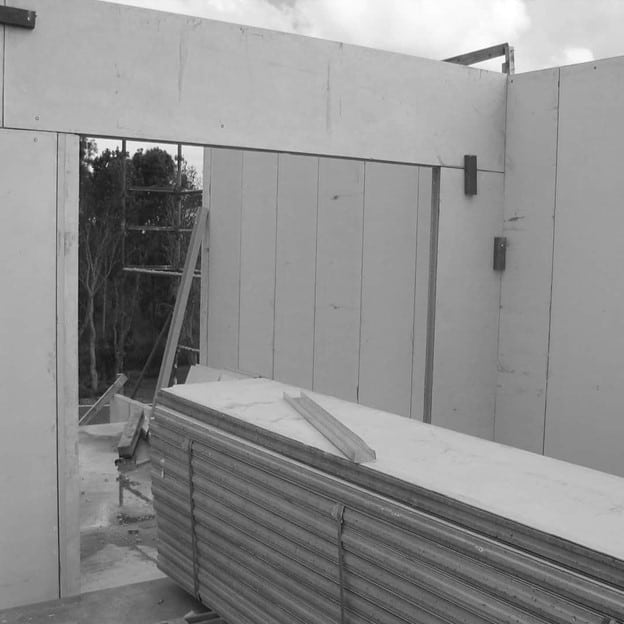
In addition, another outstanding advantage is that the risk of wall cracking due to shrinkage is absolutely reduced thanks to superior insulation and fewer joints per square meter of wall. Currently in the modern construction industry, ALC panels are currently the most effective and optimal construction method thanks to the assembly method. The use of panels is increasingly important and is predicted to be an indispensable factor in projects that need quick construction time, quality and minimize the causes of wall cracks.
4. About our HASS WALL product:
Currently, HASS panel products are very popular and widely used in modern construction. Not only are they durable, HASS WALL wall panels are also noise-proof, heat-insulating, heat-resistant, vibration-proof, movement-proof, and impact-resistant, more effective than any other construction materials.
Hotline: 0931.532.456
Website: https://hass.vn/hass-panel/
Factory: Thanh Phuoc, Tan Uyen, Binh Duong
Need a quotation or technical advice?
Send a request and the HASS technical team will respond during business hours.