Blog · Blogs
6 Common Green Building Materials Used in Construction
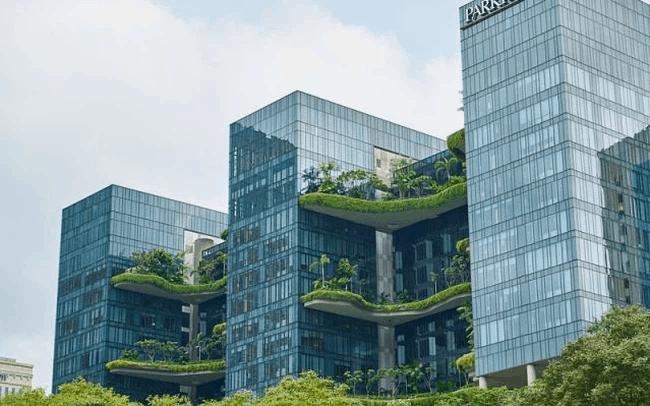
1. Green materials - the key for the future:
Green materials are used in construction As environmentally friendly materials, people have considered the effects of these materials during their life cycle.
The benefits from green material technology used in construction are:
- Does not cause harm to users
- Environmentally friendly
- Recyclable
- Save resources
- Long usage time
The criteria that green materials need to meet help reduce energy during the production process and save energy consumption when used. Green materials will be superior to old materials thanks to their ability to conserve natural resources and low cost of use.
There are many types of sustainable green materials, but the most popular are unburnt materials. Manufactured from materials from reused industrial waste.
Green materials are used in construction
Currently, unburnt materials are a new trend and are trusted by investors, bringing modern and environmentally friendly architecture. With long-term use, green materials will help you significantly reduce your electricity bill along with reducing maintenance frequency, saving money like never before.
With the above advantages, this is the choice for the future.
HASS will list current environmentally friendly green materials:
2. 6 types of green materials used in construction:
2.1 Unburnt bricks
Unburnt bricks are an environmentally friendly green material that is quite popular. In Vietnam, this material accounts for a large proportion of use up to 20% compared to the total materials on the market and is expected to develop strongly because of its high durability, reasonable price and extremely friendly to the environment.
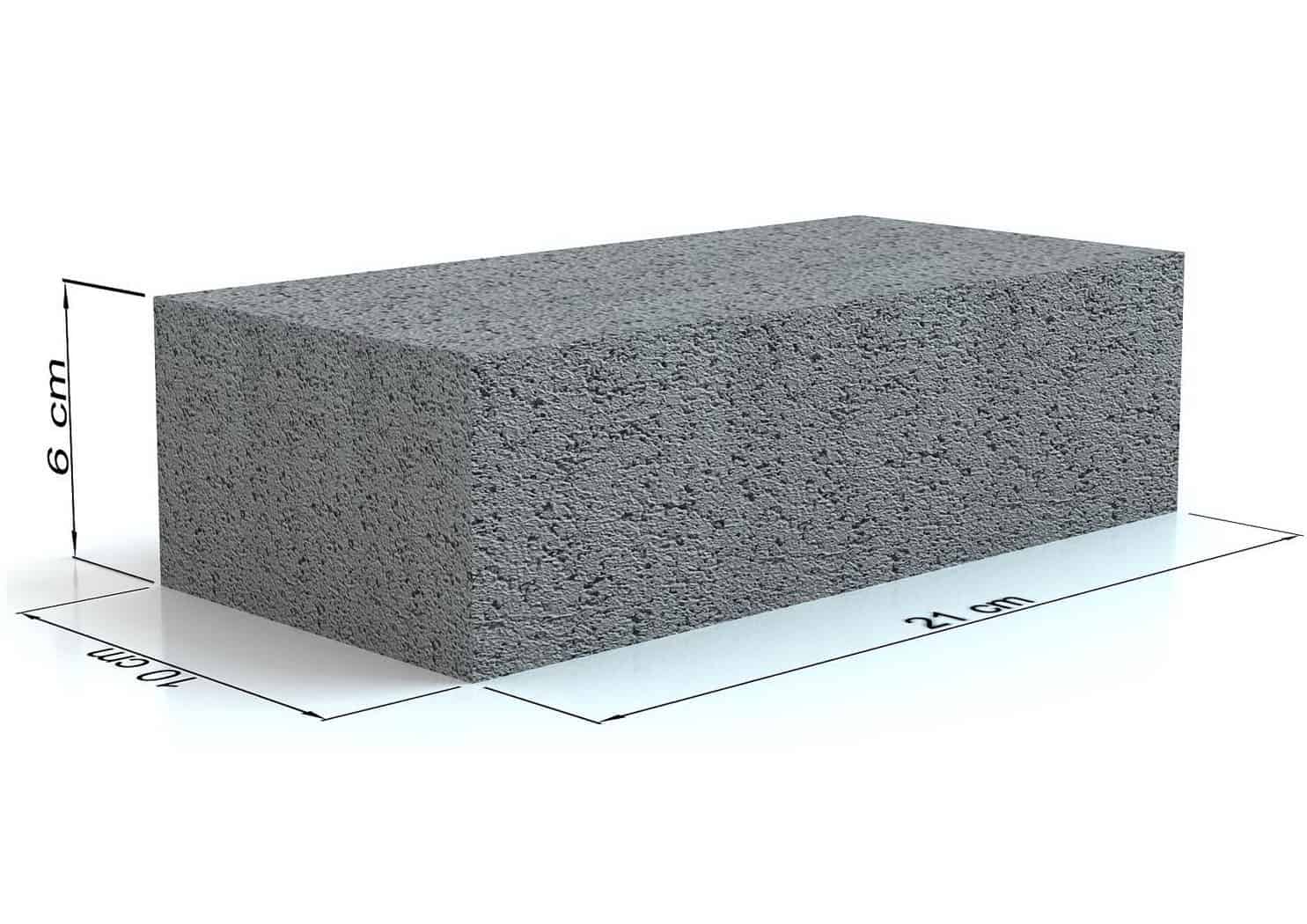
HASS non-fired masonry units
The cost is slightly higher than traditional bricks, but when invested in the long term, it brings more value such as sound insulation, thermal insulation, fire resistance, short construction time, thereby reducing costs. Thanks to the unburnt production process, it is very environmentally friendly.
2.2 XPS insulation foam
With raw materials from PS plastic, XPS insulation foam has the advantages of being heat and impact resistant, water-resistant, and highly durable. The weight is quite light and easy to carry.
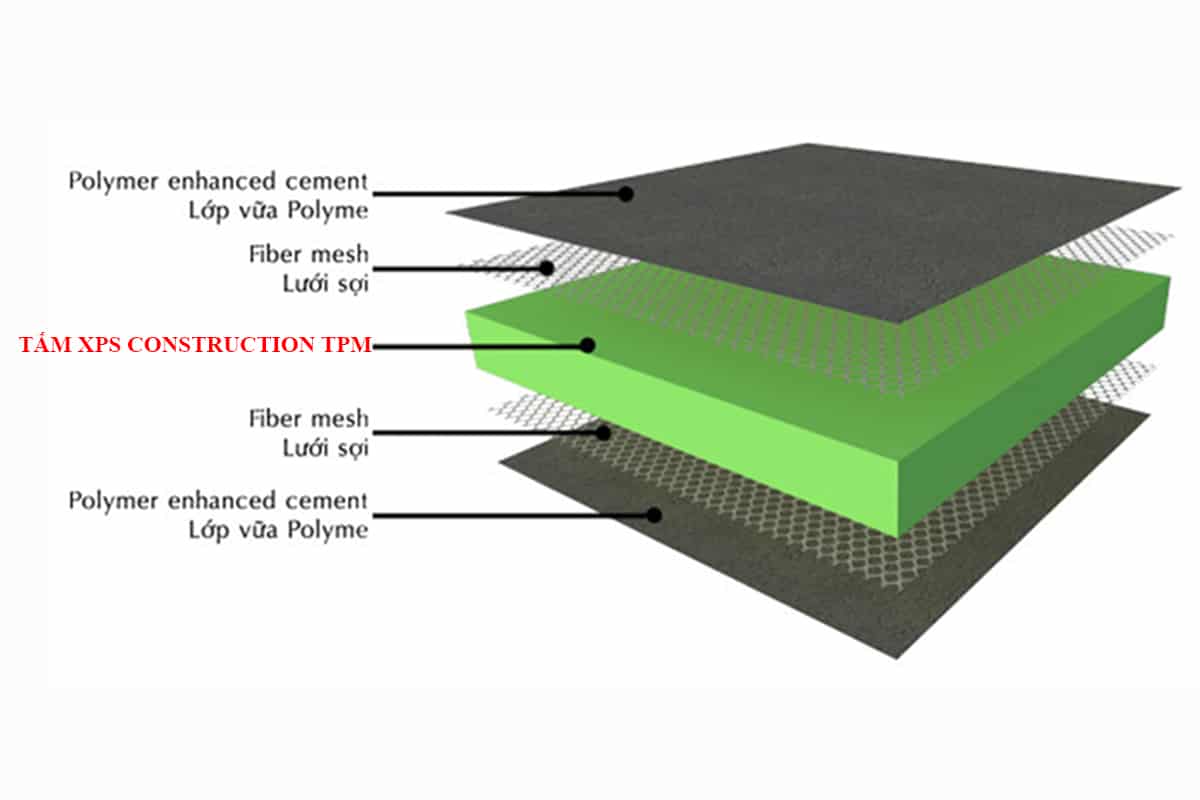
XPS insulation foam
Insulation foam XPS has many advantages over other materials because it is non-toxic, mold-resistant and can be easily recycled. In addition, XPS insulation foam also helps to insulate outside sound quite well
2.3 Green wood wall cladding
Green wood wall cladding is a green interior material that does not use natural wood but is utilized from recycled wood sources. Normally, green wall paneling is produced by steam pressure, pressed from wood chips from salvaged tree branches, with only 3% non-chemical adhesives, so this is a non-toxic material.
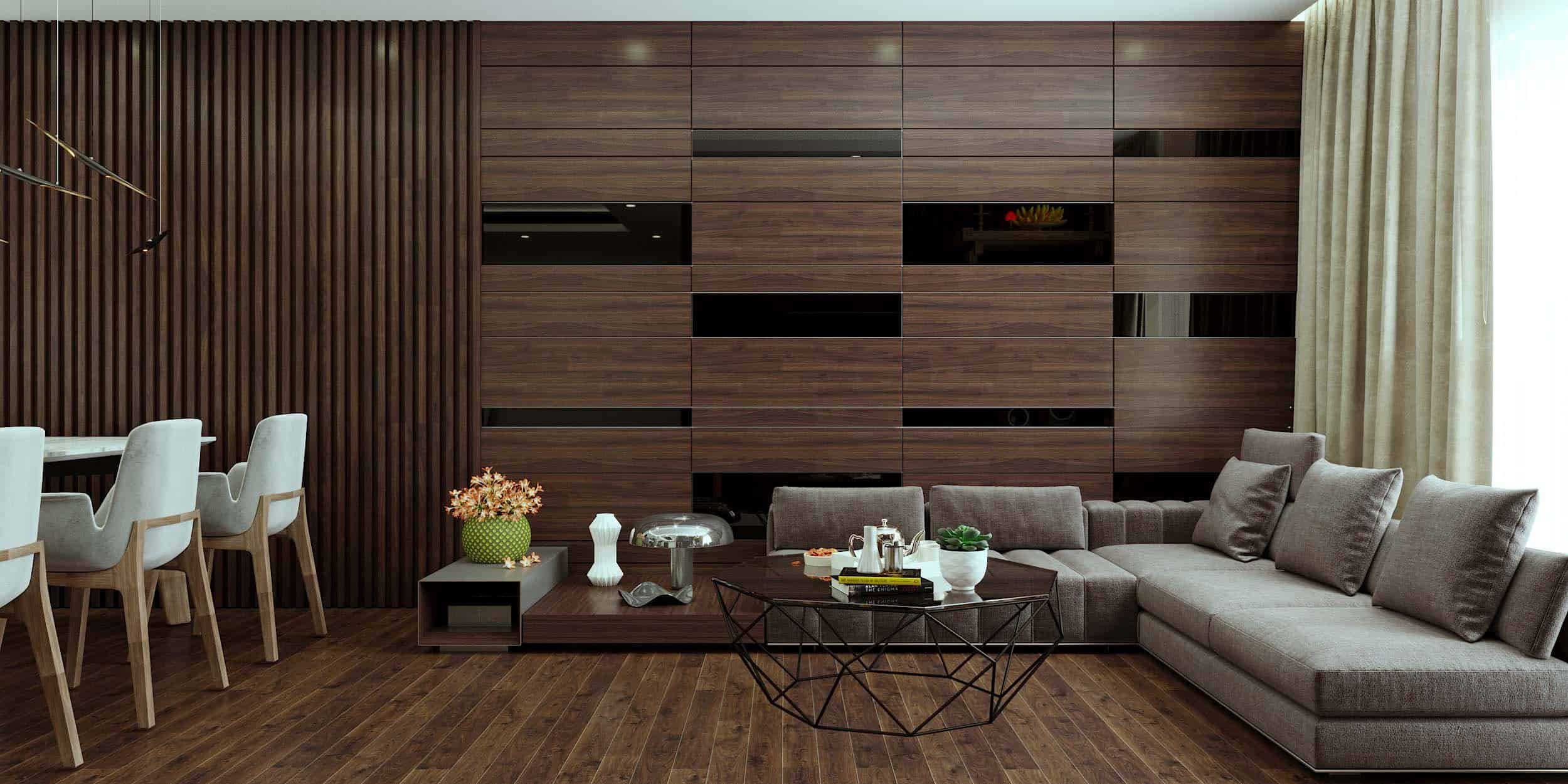
Green wall paneling
Green wall wood is used as partitions or retaining walls, can be used indoors and outdoors, is highly durable due to its ability to withstand outdoor impacts, is fire-resistant, and does not suffer from termites.
2.4 Autoclaved aerated concrete
In the green construction materials market, there is a type of lightweight concrete, also known as autoclaved aerated concrete. The product applies gas autoclaving technology, not calcination. This type of concrete will be made into blocks, roof slabs, and wall panels depending on the intended use.
The main materials include sand, water, lime, cement mixed with aluminum powder and additives poured into the mold. Thanks to the physicochemical reaction process that creates the expansion of bubble holes inside, the product has high porosity. Finally, the concrete will be autoclaved at high temperature and pressure.
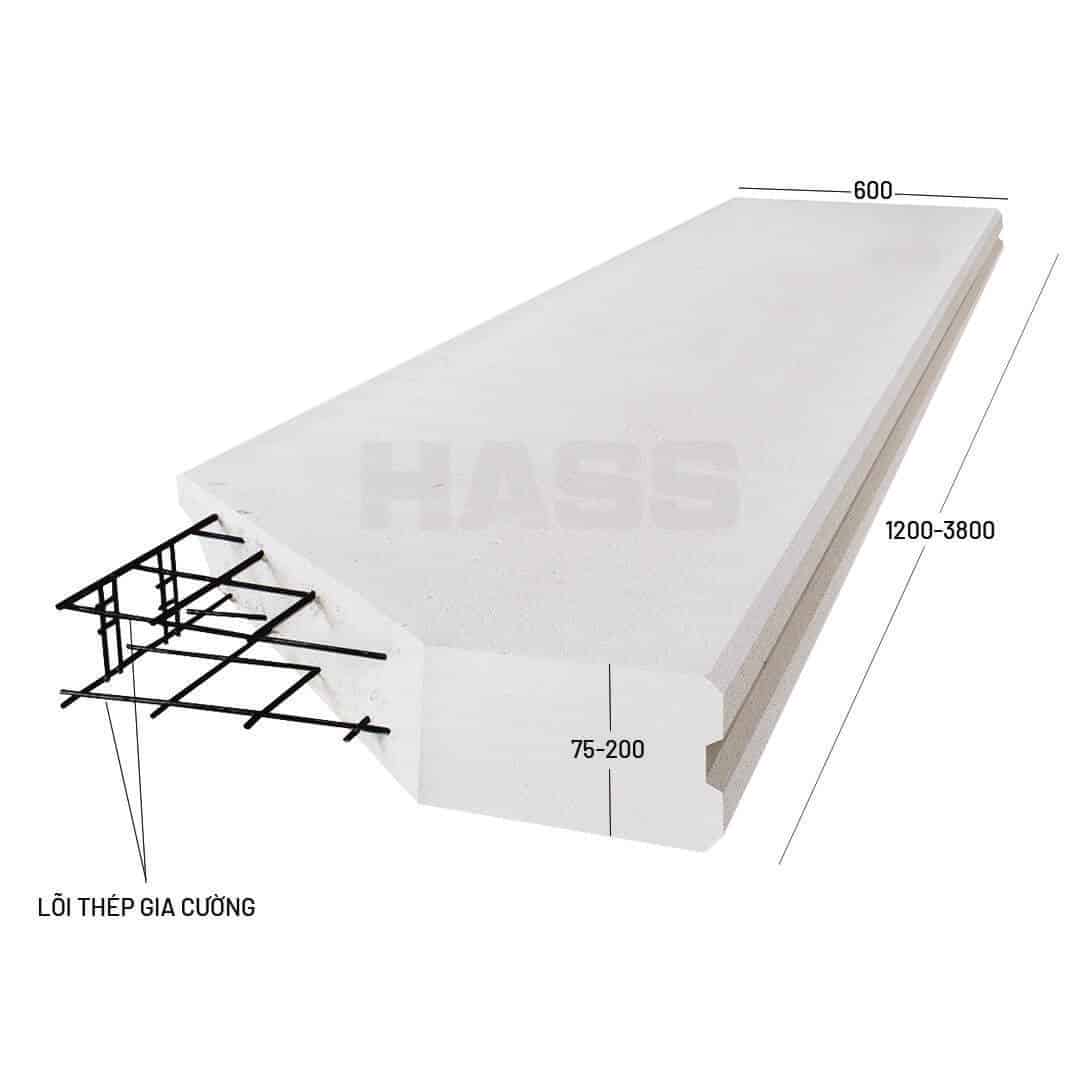
HASS autoclaved aerated concrete
The product's advantage is that the weight is less than half that of fired clay bricks, thereby saving foundation costs. According to the manufacturer, due to its lightweight concrete structure and composition, it has the ability to insulate and can reduce energy consumption by more than a quarter of air conditioners. Has double the sound insulation ability when compared to traditional brick materials, and is fire-resistant for up to four hours. Tiles do not need too much mortar, so costs will be saved.
Lightweight concrete is the product of the future because it reduces CO2 waste thanks to the unburned production process, so it does not affect the environment.
2.5 Ecological roofing sheets
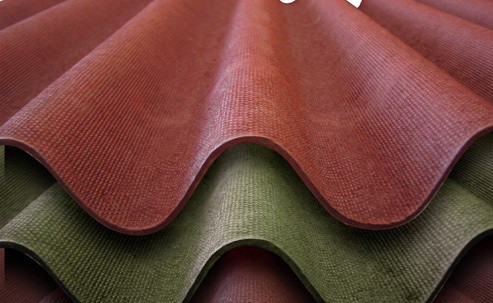
Ecological roofing
Ecological Roofing Sheet, also known as eco-tile, is an extremely light-weight roofing material that can be used for many types of projects and is environmentally friendly. This material has a variety of different designs, making it flexible with many color options.
Ecological roofing sheets are flexible, light weight, have designs and colors, are not eroded by chemicals, sea salt, alkali, are safe for health, have good sound insulation, thermal insulation, reduce noise from outside, are non-flammable, water-resistant, and impact resistant.
2.6 Ecological paint
Ecological paint is a type of paint that uses environmentally friendly raw materials to create odorless paint products that have a fairly light and natural odor and minimize the problem of unpleasant odors.
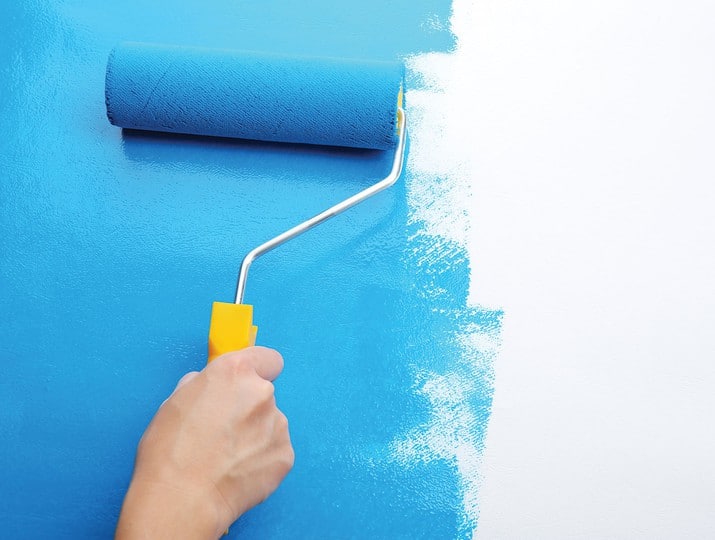
Ecological paint
Ecological paint has a durability of up to 25 years, does not become moldy or cracked, while conventional paint will degrade in just a few years, requiring additional repainting costs.
In the long term, paint has extremely outstanding advantages.
Need a quotation or technical advice?
Send a request and the HASS technical team will respond during business hours.